4 Effortless Water Features To Sell Homes Faster
Four water feature add-ons, which include integrated lighting, a signature focal point, low-maintenance hardware, and standardized components, can meaningfully shift how buyers perceive a new development before they ever step inside a model home.
Buyer perception of community value forms within seconds of pulling through an entrance gate, and well-designed shared outdoor spaces communicate planning faster than any brochure.
Developers who treat retention pond areas, community green spaces, and entrance corridors as deliberate design decisions consistently generate stronger initial buyer interest. These four add-ons are practical, durable, and built to influence how a community looks, how it photographs, and how quickly listings move.
Not all water features do the same work. The first add-on that earns its place in any new development budget delivers impact after dark, since that is when listing photography and community first impressions get their sharpest edge.
Upgrading physical ponds into active amenity spaces requires evaluating the hardware's long-term impact on eventual management requirements.
Planners who map out these physical considerations alongside their early paving and utility diagrams save massive amounts of time and money, especially since restoring lake water quality can present an estimated $27 billion value to property owners.
1. Add Lighting for Dusk Photography
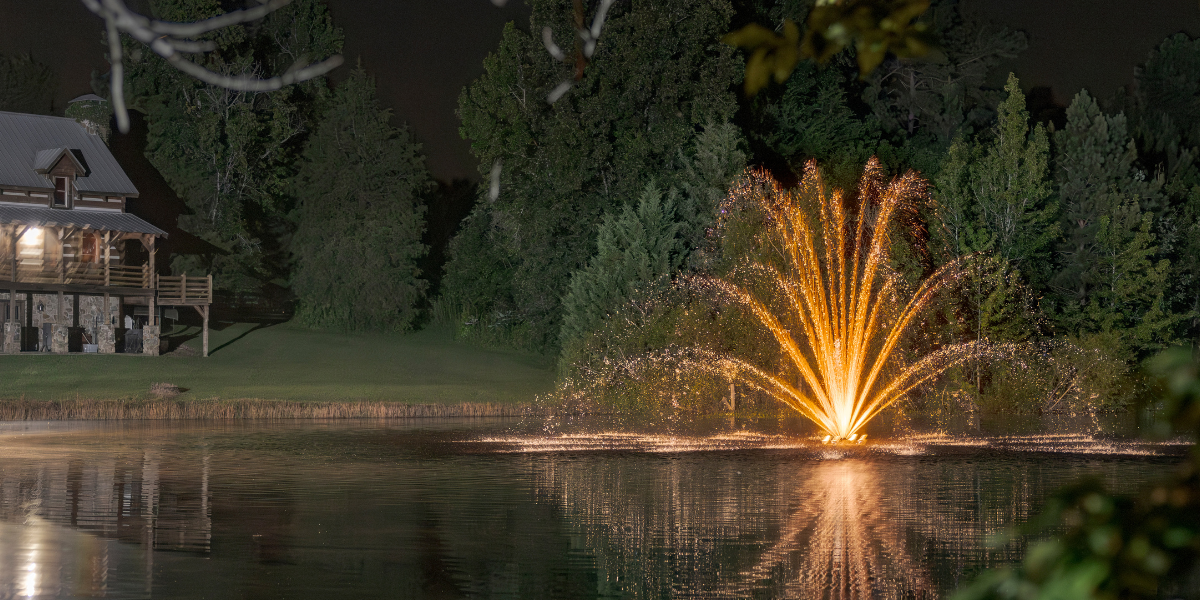
Listing photos taken at dusk or golden hour consistently outperform daytime-only shots in online search engagement. However, that advantage disappears if the community exterior lacks the illumination to photograph cleanly. Without integrated lighting, a water feature goes dark the moment the sun drops, which rapidly caps its marketing value and limits evening showings.
Built-in fountain illumination extends that window across nighttime visits, drone photography sessions, and community event coverage over the entire calendar year. Aerial shots of glowing fountains stand out starkly against standard neighborhood grid layouts in property portals.
Pond fountains with RGB lights from Everblue Pond demonstrate how broad the illumination spectrum has become, ranging from single-color uplighting to full-spectrum displays that shift with the seasons or holidays. Energy-efficient LED choices make extended operation practical for most association budgets, keeping the community financially healthy while looking premium.
Integrated lighting serves visual marketing and pedestrian safety at the exact same time. Residents walking near shared pond areas or amenity lake shorelines after dark benefit directly from a well-lit space. The ambient glow defines walking paths clearly without requiring intrusive floodlights on every surrounding tree.
2. Create a Signature Central Focal Point
A well-placed installation at the community entrance or along a shared green corridor becomes the property's defining visual identity. Strategic water features transform outdoor spaces from forgettable pass-throughs into memorable arrival experiences that accelerate buyer decisions.
A fountain near an entrance gate communicates intentional design before anyone discusses a single floor plan. It frames how visitors read everything else on the tour, establishing a premium baseline right from the initial curb view.
Scale matters more practically than most project planners expect. A feature sized correctly for its pond reads as a deliberate choice, while one that looks noticeably oversized or undersized signals a mismatch between concept and execution, quietly undermining potential buyer confidence in the broader construction quality. Factoring in local wind patterns ensures the spray profile won't drench nearby sidewalks or roads on breezy afternoons.
Think about where the hardware will appear in aerial drone footage and online exterior listing thumbnails, since these specific digital touchpoints drive buyer interest long before someone schedules a physical showing.
A fountain centered on the main entrance anchors the property identity in search results and extensive property listing galleries. Careful positioning highlights the surrounding landscaping and framing architecture, so planning around that visual anchor early prevents the need to retrofit clumsy equipment additions later.
|
Key Insight: A fountain sized correctly for its space reads as deliberate; mismatched proportions silently undermine buyer confidence. Digital thumbnails and drone footage drive interest before a showing is scheduled, making aerial composition a strategic design variable. |
3. Choose Low-Maintenance Systems for Simplicity
Maintenance responsibility remains a prominent concern when handing communities off to third-party property managers. A decorative pond that triggers frequent service calls stops acting as a reliable selling point and quickly becomes a costly liability that shows up in board meeting agendas within the first operating season. Features that require weekly skimmings or constant recalibration drain the community budget rapidly.
Prioritize corrosion-resistant components built for long-term outdoor exposure alongside mechanical designs that feature fewer moving failure points. You also need units rated for multi-season operation across varied climates, including simple winterization procedures for colder regions.
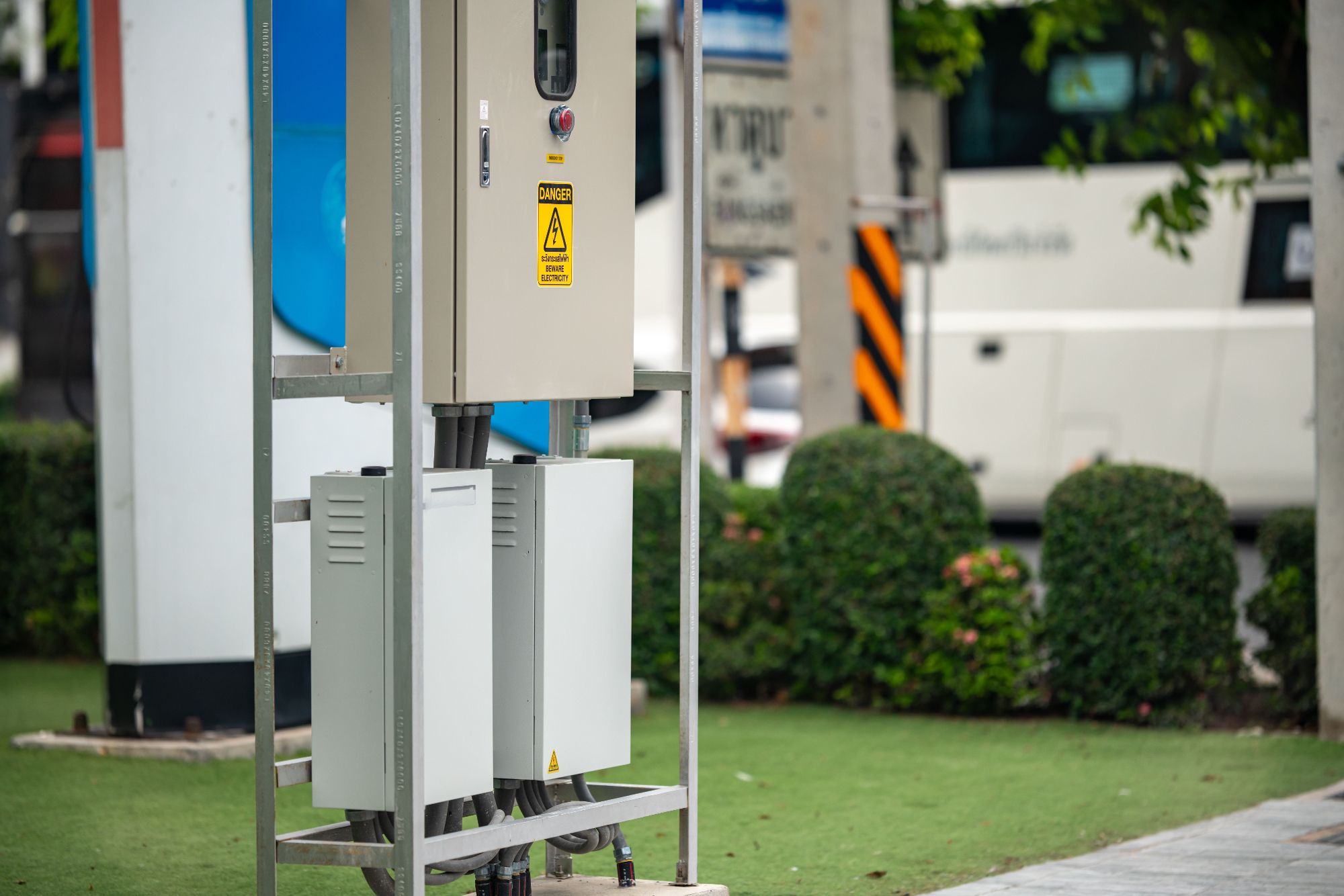
Installation timelines matter just as heavily, meaning hardware that slots into active construction phases without demanding heavy electrical redesigns keeps major projects on schedule. Quick-disconnect power cables and accessible timer boxes make these setups much friendlier for routine service crews.
Frame maintenance simplicity as part of the amenity package presentation rather than an afterthought addressed right at the closing table. Lower-draw energy setups prove easier for associations to line-item annually. Highlighting that specific energy cost detail removes one of the most common organizational objections to installing premium landscaping equipment.
4. Standardize Components Across Multiple Lots
Working across multiple lots or phases yields massive operational efficiency when you standardize your water feature components. Using the same fountain model and lighting configuration throughout an entire subdivision cuts down on immediate labor hours because handling familiar systems ensures landscape contractors install everything much faster.
Instead of re-reading specs or troubleshooting unfamiliar equipment, they get straight to work, which keeps equipment rental costs low while minimizing overall footprint disruption.
Standardization enables property managers to stock a single set of replacement parts rather than juggling separate, chaotic inventories. Service teams spend much less diagnostic time since a technician who understands the setup at the entrance area can address an issue at the amenity lake without facing a brand new learning curve.
Using uniform timers and control panels means landscaping crews do not need specialized cross-training to reset them after a local power outage.
Consistency across a development communicates a holistic construction approach because buyers see a builder who thought through the entire property landscape instead of just the single model home block.
Standardized parts directly simplify the transition documentation and initial vendor relationships. This means the community management team inherits machinery they can successfully operate without dialing urgent support lines every fiscal quarter.
|
Pro Tip: Standardizing fountain models and lighting configurations across phases trims hours off each successive installation. HOA managers benefit from a single replacement parts inventory, and technicians solve problems faster when every feature works identically. |
Putting It All Together
Integrated fountain lighting functions as a dual-purpose community asset that extends marketing visibility and improves pedestrian safety near shorelines. Specialized pond setups geared for year-round operation reduce the service obligations that property boards inherit at handoff.
Unifying control systems guarantees a consistent aesthetic from the front gate to the deepest residential cul-de-sac, making the entire outdoor amenity package much easier to officially pass and sustain long-term.
A strong central focal point anchors local property identity, reliable hardware lowers ongoing costs, and standardized inventory scales efficiently across diverse developments. Engaging a specialist during the initial design phase helps prevent mid-project sizing and hardware compatibility issues.
Planners who lock in their utility installation choices alongside their hardscaping blueprints avoid expensive electrical change orders later.
|
Author Profile: Everblue Pond offers a broad selection of large pond, commercial lake, and water-feature equipment for landowners, farmers, acreage owners, ranch owners, large property owners, golf course managers, pond managers, and property managers who want cleaner water, healthier ecosystems, and dependable year-round operation. |
Categories
Recent Posts