Repair or Replace? How to Know When a Home Upgrade Is Actually Worth It
The best move would be to go for repairs if the fix will genuinely solve the problem. Opt for replacement or an upgrade when you've had to fix the issue twice or thrice already and still it’s costing you money.
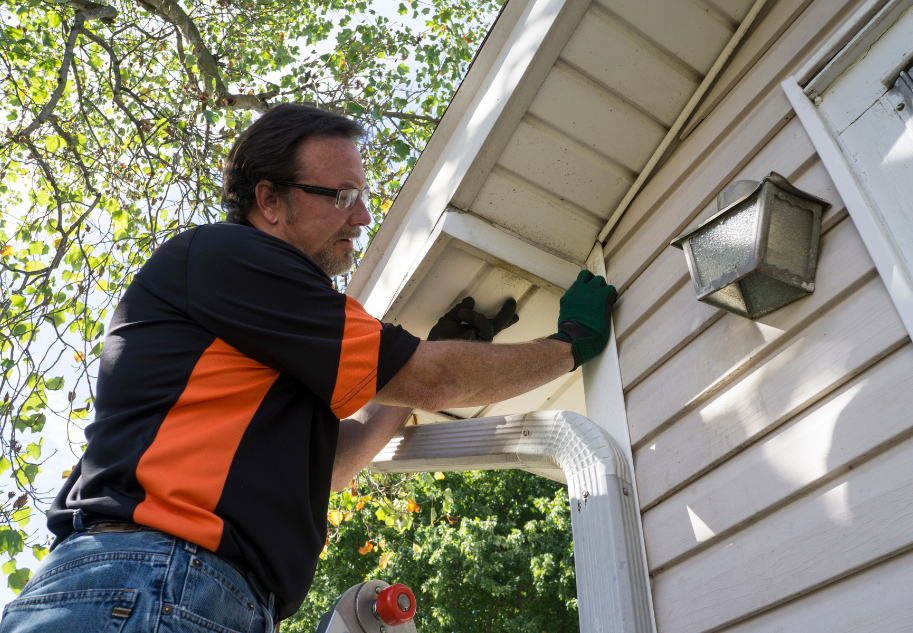
The repairs have been made, and you've even called the repairmen a number of times; yet it seems like you are facing the same problems. Are you just spending money for nothing?
When facing issues in their homes, homeowners are more likely to repair them rather than replace them. However, there are certain cases when replacement is the move that will save you money.
When Should You Opt for Repairs?
Of course, not all problems in your home warrant a replacement.
Components well within their estimated lifespan and only have minimal damage, like a single broken roof shingle or a worn out weatherstripping on a door, are better off repaired.
Repairs are also the more practical route when a replacement demands extensive modifications or structural work that could significantly disturb the household routine. In these cases, the disruption and cost often outweigh the benefit.
How Do You Know When You're Past the Point of Repairing?
On the other hand, these signs suggest that repairs are no longer sufficient:
- You’ve been fixing the same problem for multiple times
- The damage is only getting worse, repair after repair
- Outdated component that contributes to rising energy costs
- The repair is running close to half what a replacement would cost
If you’re ticking off two or more of these signs, choose to upgrade. Continuing to repair only delays the inevitable. You will eventually pay for a replacement. And most likely at a higher price.
Home Upgrades That Deliver Real, Measurable Value
While many home upgrades offer benefits, some provide more tangible financial and practical value to homeowners. Among these, window and door replacements are well-known, but they are not the only valuable options.
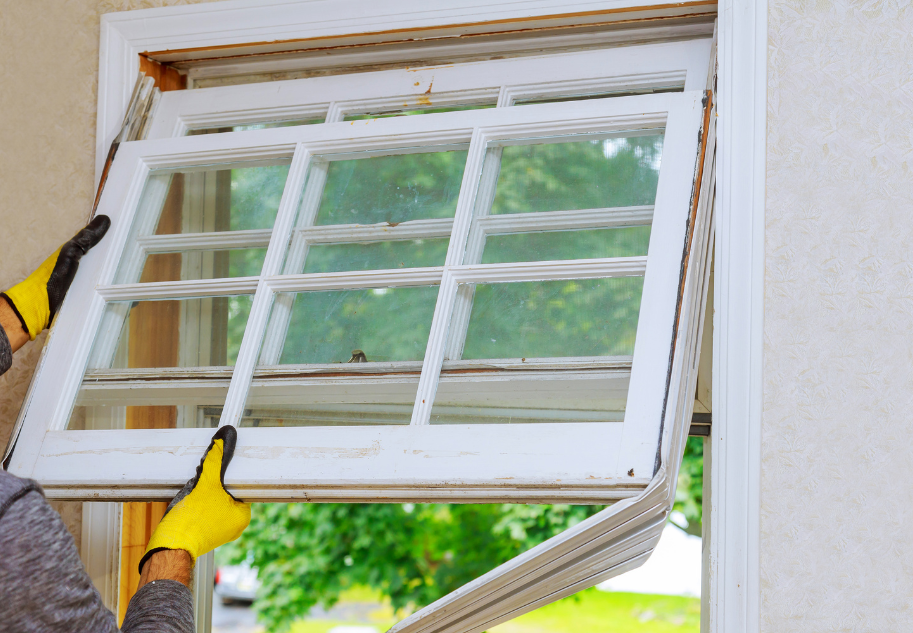
Window Replacement: Strong ROI and Cost Savings
Old windows are a significant source of energy waste. The U.S. Department of Energy states that heat gain or loss through windows accounts for 25 to 30% of a home's energy consumption.
If your windows are single-pane or more than 15–20 years old, they are likely increasing your monthly energy bills. Replacing them will immediately reduce energy costs and noticeably improve indoor comfort.
For those planning to sell, new windows signal good home maintenance to potential buyers and can lead to higher offers.
Door Replacement: Enhanced Security, Energy Efficiency, and Aesthetics
Doors serve crucial functions: deterring intruders and blocking wind and sound. An old, warped, or improperly sealed door compromises these functions.
A new exterior door offers superior energy efficiency, improved security, and a significant aesthetic upgrade without extensive construction. Most installations are completed within a single day.
Entry door replacement consistently ranks among home improvements with the best return on investment, often recouping the full cost at resale.
Garage Door Replacement: The Top Return on Investment
In recent years, garage door replacement has consistently held the #1 spot for home improvement ROI, with projects in 2025 projected to achieve a 268% return on investment.
An outdated garage door significantly impacts curb appeal. Replacing it with a new insulated model enhances both the home's exterior and its thermal efficiency. Unlike major renovations like kitchen remodeling, it's a contained project with a quick turnaround.
HVAC Replacement: Consistent Monthly Savings
An aging HVAC system operates less efficiently, directly impacting your utility bills. The U.S. Department of Energy indicates that replacing an old system with a high-efficiency model can reduce energy use by 20–40%.
These monthly savings accumulate quickly. Furthermore, a recently replaced HVAC system is a significant selling point, assuring buyers that they won't face this expense for years to come.
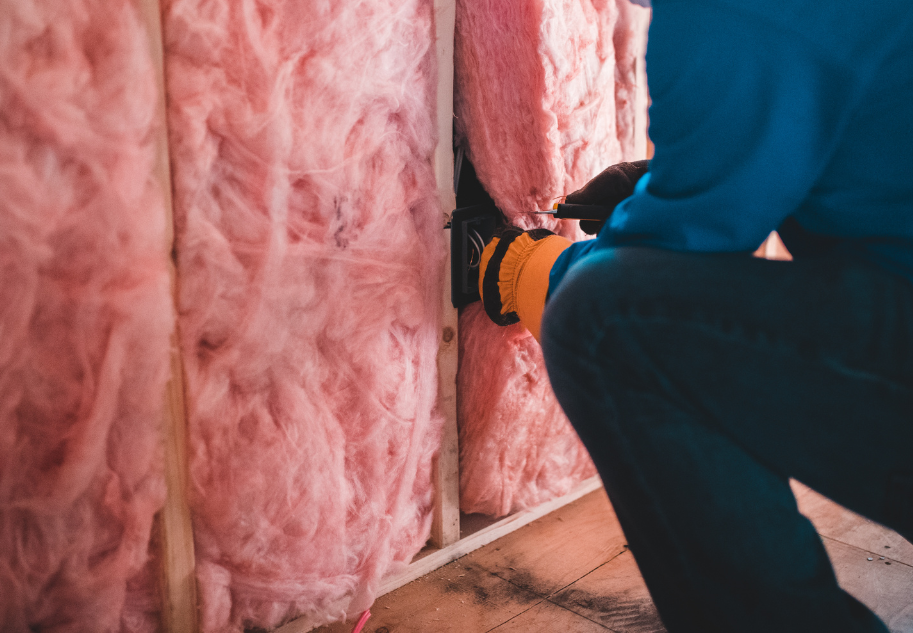
Attic Insulation: Low Cost, Fast Payback
Inadequate attic insulation forces your heating, ventilation, and air conditioning (HVAC) systems to work harder, as heat escapes through the ceiling.
According to the United States Environmental Protection Agency, a homeowner can save up to 15% in energy expenses for heating and cooling their home by adding air seals and attic insulation. This is one of the less expensive fixes in our list, and the return on investment will occur sooner than you think.
Siding Replacement: Increase Curb Appeal Plus Address Structural Issues
That old siding not only allows moisture in but decreases the insulating capacity of the house as well, and may be hiding structural damage. Fiber cement siding resists weather better than other materials, and doesn’t need much maintenance.
The JLC Cost vs. Value report estimates a 97% cost recovery at resale. This represents a strong return for an upgrade that simultaneously enhances aesthetics and addresses critical structural concerns.
Questions to Ask Before Repairing or Replacing Components in Your Home
Still not sure whether you should repair or replace? You’re not alone. The answer isn’t always obvious and many homeowners face the same dilemma. Before you get on the phone with a contractor, run through these questions first to get a clear picture of what you’re dealing with.
How old is it?
Age is usually what tips the scale towards replacement. A ten-year old roof with a few missing shingles? Repair. But the same problem on a 20-year old roofing is an entirely different story. Anything that’s nearing or beyond its expected lifespan deserves a replacement.
How many times have you repaired it?
The first repair is just a repair. The second or third, however, reveals a pattern. If your HVAC breaks down every few months or your roof’s patched up several times in the same area, it means there is an underlying problem that isn’t being solved.
How much would the repair cost?
Get a quote from several contractors before making the decision. If you’re spending around 40% of what a replacement would cost, it’s not worth fixing anymore.
What’s your timeline?
Are you planning to sell your home in the next few years? Then it’s smarter to invest in upgrades with strong ROI. Garage door replacement. Steel entry doors. Window replacements.
If you plan to live in the home for the long term, energy-related replacements like HVAC upgrades or attic insulation would be a wise route to take. They pay off through years of monthly savings and improved comfort.
Is the part or component still widely available?
Some older systems, especially HVAC, reach a point where replacement parts have been discontinued or become hard to source. If your technician tells you that you need to place a special order for a specific component, that’s a very clear sign to get a new one.
So, Should You Repair or Replace?
Review your answers to the questions above and let the numbers guide you. Don’t fixate on the cost. Sometimes, the more expensive option today proves to be the cheaper one in the long run.
Categories
Recent Posts